Introduction
Acne is a common skin problem that affects people of all ages. Many teenagers and adults deal with acne at some point. Because acne can impact self-esteem, it is important to understand its symptoms, causes, and treatment options. In this blog, you will learn about acne, how to spot its symptoms, what causes it, and the best ways to treat and prevent it. If you want to know more about acne treatment options or how to prevent acne, keep reading.
What is Acne?
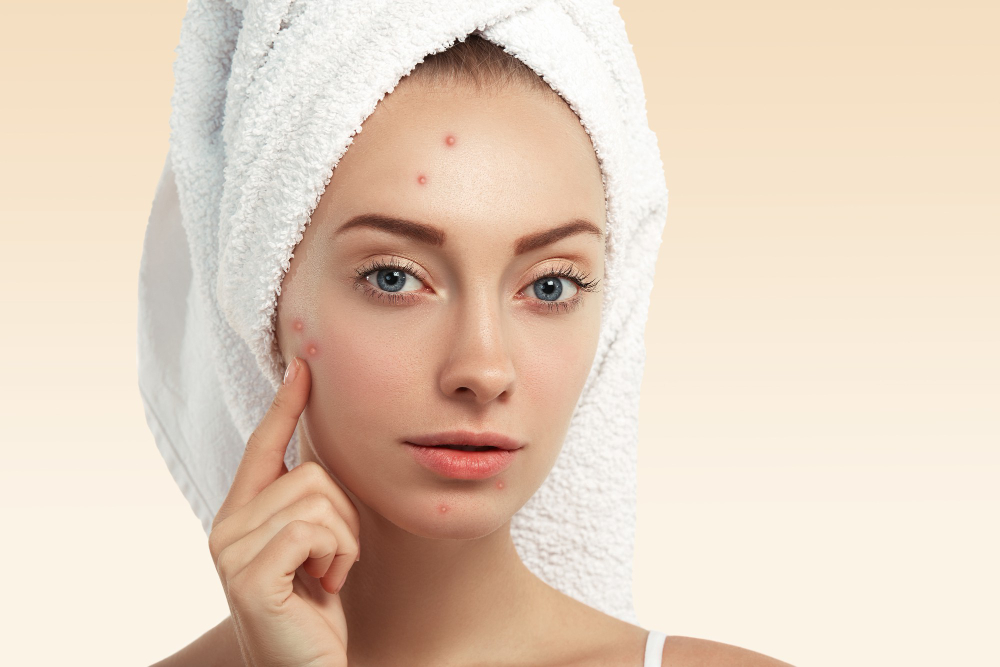
Acne is a skin condition that causes pimples, blackheads, and whiteheads. It often appears on the face, chest, back, and shoulders. Although acne is most common in teenagers, adults can get it too. The skin has tiny holes called pores. Sometimes, these pores get blocked by oil, dead skin, or bacteria. As a result, pimples and other acne symptoms develop.
Common Symptoms of Acne
Acne symptoms can look different for each person. However, some signs are easy to spot. Knowing these symptoms can help you seek treatment early. Here are the most common acne symptoms:
Sometimes, acne can also cause larger, painful lumps under the skin. These are called cysts or nodules.
Causes and Risk Factors
Acne develops when pores become blocked. Several factors can increase the risk of acne. Understanding these causes can help you make better choices for your skin. The main causes and risk factors include:
Although anyone can get acne, teenagers and young adults are most at risk. But adults can develop acne too, especially women.
How Acne is Diagnosed
Doctors usually diagnose acne by looking at your skin. Because acne has clear symptoms, tests are rarely needed. However, your doctor may ask about your medical history or any medicines you take. Sometimes, they may check for other skin problems that look like acne. If your acne is severe or does not improve, your doctor may refer you to a dermatologist. A dermatologist is a skin specialist who can help with tough cases.
Effective Treatment Options
There are many acne treatment options available today. The best treatment depends on your skin type and how severe your acne is. Here are some common ways to treat acne:
For mild acne, gentle skincare and over-the-counter products may help. However, if your acne is severe, you may need stronger treatments from a doctor. Always follow your doctor’s advice for the best results.
Lifestyle Tips for Managing Acne
Simple changes in your daily routine can help manage acne. While these tips may not cure acne, they can make a big difference. Try the following:
Because everyone’s skin is different, you may need to try a few tips to see what works best for you.
Prevention Strategies
Although not all acne can be prevented, some steps can lower your risk. Here are some ways to help prevent acne:
Even with these steps, some people may still get acne. However, these habits can help reduce breakouts and keep your skin healthy.
When to See a Dermatologist
Sometimes, acne does not improve with home care. If your acne is severe, painful, or leaves scars, it is time to see a dermatologist. Also, if over-the-counter treatments do not work after several weeks, a skin specialist can help. Dermatologists can offer stronger medicines and special treatments. Early care can prevent scars and boost your confidence.
In summary, acne is a common but treatable skin condition. With the right care and advice, you can manage acne and improve your skin. Consult a dermatologist for personalized acne care and treatment recommendations.