What Is Post Inflammatory Hyperpigmentation?
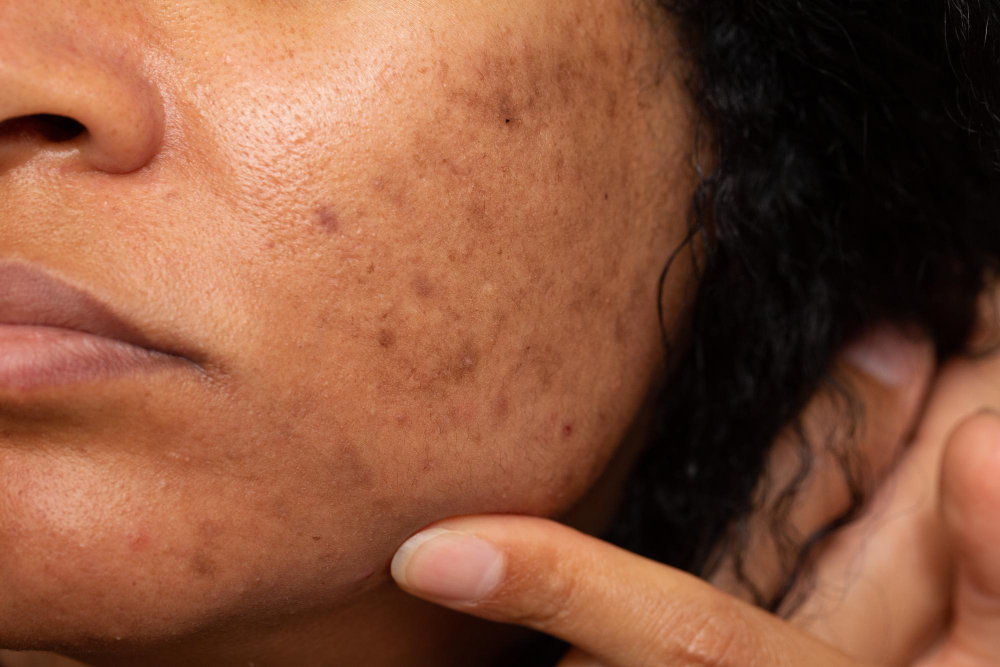
Post inflammatory hyperpigmentation, or PIH, is a common skin condition. It happens when dark spots appear after the skin heals from an injury or inflammation. For example, after acne, eczema, or a cut, you may notice brown, black, or purple marks. These spots are not scars, but they can last for months. Many people want to know how to fade dark spots and restore even skin tone.
How Does PIH Look and What Are the Symptoms?
PIH shows up as flat, dark patches on the skin. Usually, these spots match the shape of the healed injury. Sometimes, the color can range from light brown to deep black. In lighter skin, PIH may look pink or red. In darker skin, it often appears brown or black. Although PIH does not hurt, it can affect confidence. Often, people notice these spots after acne or skin rashes.
What Causes Post Inflammatory Hyperpigmentation?
PIH develops when the skin makes extra pigment, called melanin, after healing. Several things can trigger this process. For instance, common causes include:
Additionally, people with darker skin are more likely to get PIH. Sun exposure can also make dark spots worse. Sometimes, picking or squeezing pimples increases the risk.
Who Is at Risk for PIH?
Anyone can develop post inflammatory hyperpigmentation. However, some people have a higher risk. For example:
Because skin type and sun exposure matter, people living in sunny areas may notice more PIH.
How Do Dermatologists Diagnose PIH?
First, a dermatologist will look at your skin. They may ask about your medical history and recent skin problems. Sometimes, they use a special light to check the spots. Usually, no lab tests are needed. However, if the cause is unclear, your doctor may do more tests to rule out other conditions.
Effective Treatments for Post Inflammatory Hyperpigmentation
Many people want to know about PIH treatment and how to fade dark spots. There are several safe and proven options. For best results, always talk to a dermatologist before starting any treatment.
Topical Treatments
In-Clinic Procedures
However, not all treatments suit every skin type. For example, some lasers may not be safe for darker skin. Therefore, always ask your dermatologist about the best option for you.
Home Care Tips
Because sun can make PIH worse, sunscreen is very important. Choose one with SPF 30 or higher.
Lifestyle and Skincare Tips for Managing PIH
Managing post inflammatory hyperpigmentation takes patience. But, there are steps you can take to help your skin heal:
Additionally, eating a balanced diet and staying hydrated can support healthy skin.
Common Myths About PIH
There are many myths about skin discoloration after acne. For example, some people think PIH is permanent. In reality, most spots fade with time and care. Others believe home remedies like lemon juice work fast. However, these can irritate the skin and make things worse. Instead, trust proven treatments and talk to a skin expert.
When to See a Dermatologist
If dark spots bother you or do not fade, it is wise to see a dermatologist. Sometimes, PIH can look like other skin problems. A doctor can help you find the right treatment and avoid side effects. Early care often leads to better results.
Conclusion
Post inflammatory hyperpigmentation is common and treatable. With the right care, most people see improvement. However, results take time. For the best advice on PIH treatment and how to fade dark spots, consult a dermatologist. They can create a plan that fits your skin type and needs.